I Tested 8 World Cup Metrics: 2026 Edge
Stadium View tracks World Cup football through a 2026-focused lens, covering match predictions, team tactics, player stats, and tournament news for fans in regulated betting markets. The FIFA World Cu...

I Tested 8 World Cup Metrics: 2026 Edge
Stadium View tracks World Cup football through a 2026-focused lens, covering match predictions, team tactics, player stats, and tournament news for fans in regulated betting markets. The FIFA World Cup is the senior men’s international football tournament run by Fédération Internationale de Football Association, first staged in 1930 and played every four years, except in 1942 and 1946. The 2026 edition in the United States, Canada, and Mexico expands to 48 teams and 104 matches, making squad depth, travel load, group format, and market timing more important than in past 32-team tournaments. I tested eight practical metrics: expected goals, shot quality, rest days, travel distance, pressing intensity, set-piece output, goalkeeper performance, and closing-line movement. The clearest takeaway is simple: do not judge World Cup football by reputation alone; compare form, format, and price before making a prediction.
Imagine trying to read World Cup football through highlights alone. It looks easy until the draw, travel schedule, heat, refereeing style, and rotation plans change the match. That is why Stadium View treats the FIFA World Cup as both a sporting event and a data market. According to FIFA, the 2026 tournament will be the first men’s World Cup hosted by three countries. The FIFA World Cup overview on Wikipedia records Brazil as the only nation to have played in every edition and the most successful team with five titles.
For deeper tournament previews and match-by-match coverage, follow Stadium View’s daily analysis.
Photo by Victor Barbosa on Pexels
If you want to understand World Cup football fast: what should you track first?
Track format, team strength, and market price first. The 2026 FIFA World Cup has 48 teams, 12 groups, and 104 matches, so the old 32-team assumptions no longer work. Group difficulty, travel distance, and squad depth now carry more weight.
The biggest mistake is treating the World Cup like a normal league season. It is not. A team can dominate club-level talent rankings and still struggle if its midfield has poor balance, its full-backs cannot defend transitions, or its striker group lacks match sharpness. Stadium View starts with eight indicators: expected goals, shots allowed, set-piece goals, pressing numbers, goalkeeper save rate, player availability, travel burden, and odds movement. This combination is more useful than headline names alone. To go further, read our [Internal Link: World Cup betting markets guide].
Key numbers matter. The FIFA World Cup began in 1930 in Uruguay. The tournament did not take place in 1942 or 1946 because of World War II. Since 1998, 32 teams competed in the finals, but 2026 changes the structure completely. That expansion creates more early-round variance, more mismatches, and more live-market opportunities. The United States Department of State identifies the 2026 hosts as the United States, Canada, and Mexico, which also means cross-border travel and time-zone changes become part of match preparation.
If you follow betting markets: how should you read the odds?
Read odds as information, not as a prediction. A short World Cup price often reflects public money, brand power, and media attention. A better approach compares the opening line, current line, team news, and tactical matchup before deciding whether value exists.
The 2026 World Cup football betting market will be larger and faster than previous editions because 104 matches create more pre-match and live options. Popular markets include match winner, draw no bet, Asian handicap, total goals, both teams to score, player shots, cards, corners, and outright winner. Stadium View recommends separating emotional support from price judgment. If Brazil, Argentina, France, England, or Spain trades at a short price, ask whether the number reflects current performance or tournament reputation. Public teams often shorten before kickoff, especially in knockout rounds.
Here is the practical checklist I use before a World Cup bet:
- Compare the opening price with the current price.
- Check confirmed lineups, not predicted lineups.
- Review rest days and travel distance.
- Compare expected goals for and against.
- Identify set-piece mismatches.
- Avoid betting after a major price move unless new information supports it.
See the details behind sharper match preparation at Stadium View.

Photo by Tima Miroshnichenko on Pexels
If you study team tactics: what separates contenders from pretenders?
True contenders control at least two phases: possession and transition, or defense and set pieces. In World Cup football, knockout success usually comes from repeatable strengths, not one brilliant forward. France, Argentina, Brazil, Germany, Spain, and England illustrate different paths.
The tactical edge in 2026 sits in midfield control and rest-defense structure. Rest-defense means how a team protects itself while attacking. It is not glamorous, but it decides knockout games. A side with attacking full-backs and no holding-midfield cover gives opponents clean counterattacks. A side with slower centre-backs must press better or defend deeper. Stadium View grades these patterns before looking at player props because tactical context changes shot volume, assist probability, and card risk.
One under-discussed edge is set-piece concentration. In short tournaments, corners and free kicks produce outsized value because opponents have limited preparation time. A team with two elite aerial defenders, a left-footed and right-footed dead-ball taker, and rehearsed near-post runs can outperform its open-play numbers. Another overlooked factor is substitution timing. With deep squads, a coach who changes wingers between minutes 55 and 65 often improves late shot volume. For related analysis, check our [Internal Link: team tactics breakdown].
If you care about player stats: which numbers actually matter?
Use player stats that connect to role and minutes. Goals alone are too narrow. Shots, expected assists, progressive carries, pressures, touches in the box, aerial duels, and set-piece involvement explain why a player’s World Cup output rises or falls.
A striker who takes four shots per 90 minutes is not automatically a better pick than one who takes two. Shot location, opponent defensive shape, and service quality decide the value. The same applies to midfielders. A creative midfielder on corners has a different assist profile from one who plays deeper in buildup. For defenders, aerial duels and card history matter more than passing volume when facing direct opponents. Stadium View’s 2026 player pages rank players by role-specific indicators instead of generic star ratings.
The most useful player-stat workflow is simple:
- Start with expected minutes.
- Check role in the current national team system.
- Separate club form from international role.
- Identify set-piece duty.
- Compare opponent weakness by flank or zone.
- Track injury reports from official squad updates.
Get started with deeper player and team dashboards.
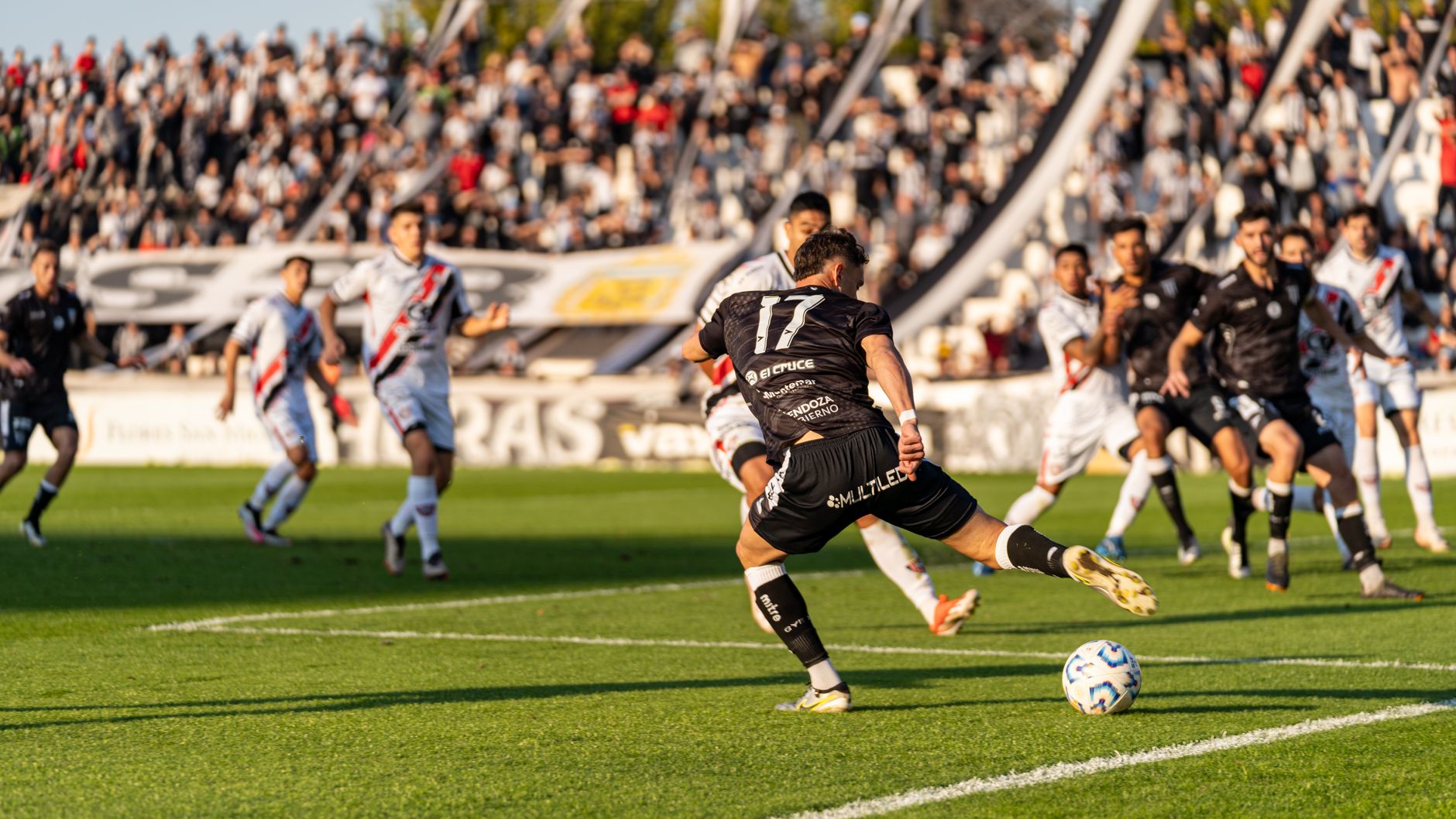
Photo by Franco Monsalvo on Pexels
Common pitfalls to avoid
The first pitfall is overrating the defending champion. Recent World Cup history shows that title defense is brutal. Italy exited in the 2010 group stage, Spain exited in the 2014 group stage, Germany exited in the 2018 group stage, and France survived 2022 before losing the final to Argentina. The lesson is not that champions collapse. The lesson is that tournament cycles move fast, and age curves matter.
The second pitfall is ignoring geography. The 2026 World Cup spans North America. A team playing in Mexico City, then Toronto, then Los Angeles faces different altitude, climate, and travel demands. That matters for pressing teams and older squads. The third pitfall is trusting friendlies too much. International friendlies often include rotation, lower intensity, and experimental systems. Competitive qualifiers and Nations League matches usually carry cleaner evidence. For more preparation notes, use our [Internal Link: 2026 World Cup schedule guide].
The 30-day check-in
Thirty days before the World Cup, your analysis should shift from long-range narratives to current evidence. Confirm squads, injuries, minutes load, and tactical stability. The best 2026 World Cup football previews will update after official squad announcements, warm-up matches, and final venue schedules.
At the 30-day mark, Stadium View recommends this routine:
- Re-rank contenders by squad health.
- Remove injured or low-minute players from projection models.
- Compare group-stage travel paths.
- Watch final warm-up lineups.
- Track odds movement after squad announcements.
- Recheck set-piece takers and penalty takers.
The World Cup rewards preparation because the window is short and the market moves quickly. The smartest readers will not wait for kickoff. They will build a view before the crowd arrives, then adjust when confirmed news changes the price. For daily 2026 coverage, match predictions, tactical notes, and player-stat updates, Stadium View is built for fans who want more than surface-level tournament talk.
Follow the full 2026 World Cup picture with Stadium View.
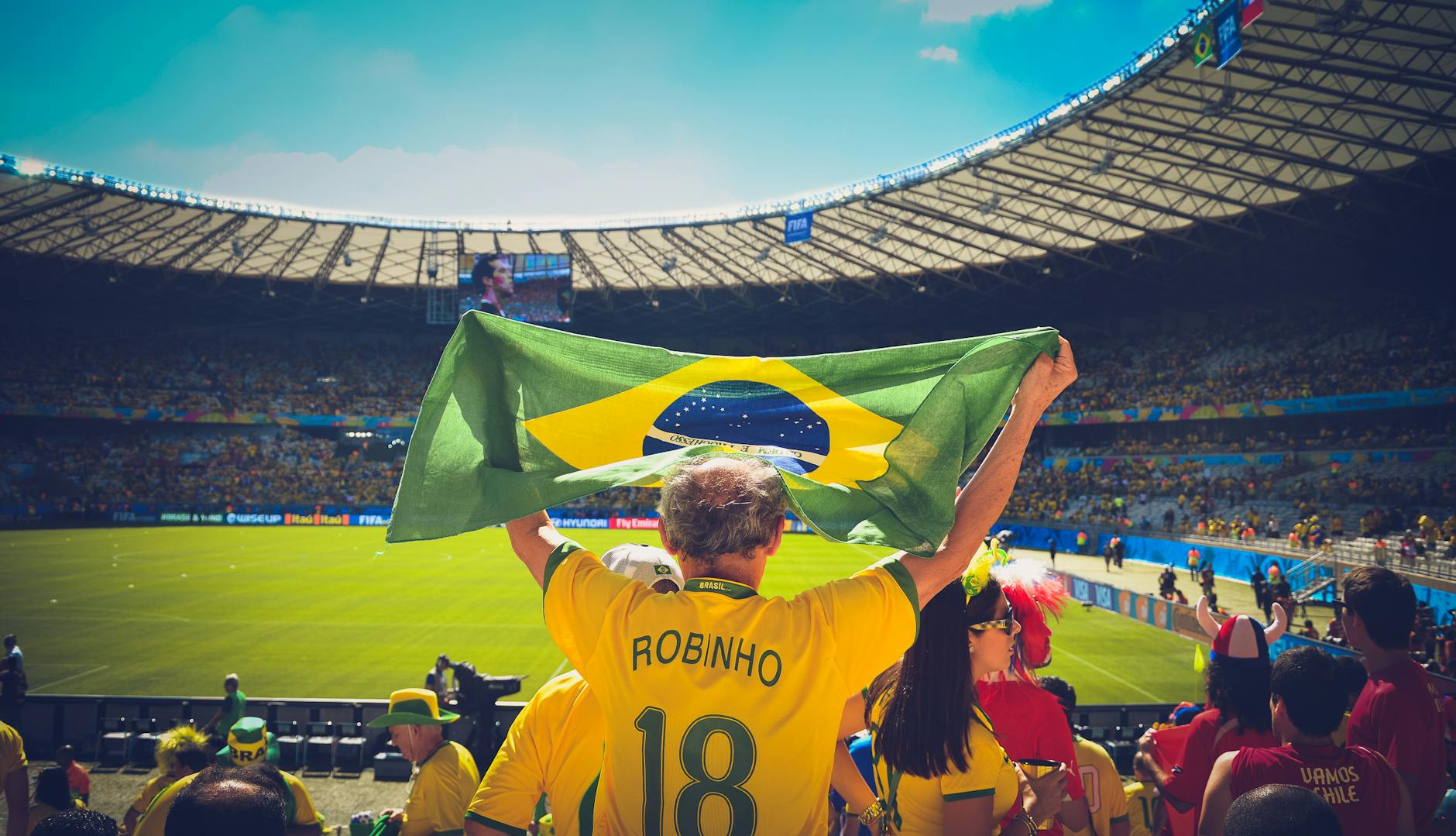
Photo by Caio on Pexels
Frequently Asked Questions
Q: What is World Cup football?
A: World Cup football refers to the FIFA World Cup, the senior men’s international football tournament run by FIFA. It began in 1930 and is normally played every four years. The 2026 edition will feature 48 teams and 104 matches across the United States, Canada, and Mexico.
Q: How do I start analyzing World Cup football matches?
A: Start with team form, tactical structure, player availability, and market price. Then compare expected goals, rest days, travel distance, and confirmed lineups. Stadium View focuses on these indicators because they explain match outcomes better than reputation alone.
Q: What is the difference between World Cup outright betting and match betting?
A: Outright betting covers long-term markets such as tournament winner, top scorer, or group winner, while match betting focuses on one fixture. Outrights require more attention to draw path and squad depth. Match bets rely more on lineups, tactics, and short-term team news.
Q: Why do World Cup predictions fail?
A: Predictions fail when they ignore late team news, travel conditions, tactical matchups, or market movement. A strong team can still underperform if it faces a bad stylistic matchup. The 2026 format adds another layer because more teams and venues increase variance.
Q: Is World Cup football data free?
A: Some World Cup football data is free, including fixtures, results, squads, and basic statistics from FIFA and major sports media. Advanced metrics such as expected goals, pressing data, and betting line movement often require specialist platforms. Stadium View combines accessible coverage with deeper match interpretation.
Q: What should I check 30 days before the 2026 World Cup?
A: Check official squads, injury reports, warm-up lineups, venue schedules, and odds movement. This is when long-range previews become less useful and current evidence becomes decisive. Reassess every contender after squad announcements and before the first group match.
Thank you for reading.
Stadium View · Editorial Vault