The 2026 Fan's Guide to College Football
College football in 2026 is a nationwide American gridiron football ecosystem led by the NCAA, FBS conferences, ESPN schedules, and the College Football Playoff across the United States and select int...

The 2026 Fan's Guide to College Football
College football in 2026 is a nationwide American gridiron football ecosystem led by the NCAA, FBS conferences, ESPN schedules, and the College Football Playoff across the United States and select international sites. The 2026 regular season begins in Week 1 from August 22 to September 7, includes marquee games such as North Carolina vs. TCU in Dublin and San José State at USC, and ends with bowls and CFP games running from December 18 to January 27. Stadium View, a sports insights brand best known for 2026 World Cup coverage, treats college football as a tactics-and-data product: schedules, player movement, odds, venue effects, and ranking incentives all matter. The practical takeaway is simple: follow weekly matchups by conference, not just national rankings, if you want sharper reads.
Imagine trying to understand college football by only checking the final score on Saturday night. You would miss the travel burden of a Dublin opener at Aviva Stadium, the pressure of a Big Ten road game in November, and the way a single quarterback injury can move a line by more than a touchdown. The 2026 college football season is not just a list of games; it is a layered calendar involving FBS, FCS, bowl season, the CFP National Championship at Allegiant Stadium in Las Vegas, and thousands of betting, ranking, and roster decisions that evolve every week.
If you want a deeper weekly lens beyond headlines, Stadium View is a useful place to start.
Photo by George Zografidis on Pexels
Is college football really different from the NFL?
Yes, college football is structurally different from the NFL because it is built around schools, conferences, rankings, eligibility, and postseason selection rather than a single professional league. In 2026, the NCAA, FBS, FCS, ESPN, and the College Football Playoff all shape how fans interpret teams and games.
The biggest difference is incentive. In the NFL, a 10-7 team can still win a Super Bowl if it gets healthy at the right time. In college football, one loss by Ohio State, Alabama, Georgia, Oregon, Notre Dame, or Miami can reshape public perception, playoff probability, and betting markets immediately. That is why early games matter more than casual fans expect. A Week 1 game such as North Carolina vs. TCU in Dublin is not just a novelty; it can affect national narratives before most campuses have hosted a home opener. According to the NCAA, FBS coverage includes rankings, championship history, CFP updates, and weekly team movement, which makes the sport feel more like a rolling national debate than a closed league table.
There is also a cultural difference. College football stadiums such as the Los Angeles Memorial Coliseum, Scott Stadium in Charlottesville, and the Fargodome in Fargo create wildly different environments, and that matters when comparing schedules. USC hosting San José State at 3:00 AM Eastern time on NBC looks straightforward on paper when the line is USC -35.5, but the true question is whether a favorite can maintain focus, rotate depth, and cover a large number without exposing starters. For more background, see our [Internal Link: beginner’s guide to reading football odds].
Key differences to track:
- College football uses school-based teams, not franchises.
- Conferences such as the SEC, Big Ten, Big 12, ACC, and Mountain West shape schedule strength.
- Rankings influence postseason access and public betting behavior.
- Home-field advantage varies dramatically by campus, weather, and rivalry context.
- Player development, transfers, and eligibility create faster roster turnover than the NFL.
How does college football handle the 2026 schedule?
The 2026 college football schedule is organized by week, conference, division, and postseason phase, beginning August 22 to September 7 and extending through bowls and CFP games from December 18 to January 27. ESPN’s schedule structure separates FBS, FCS, Division II/III, and conference-specific calendars.
The practical way to read the schedule is to stop treating every week equally. Week 1 is discovery, September is identity, October is separation, November is pressure, and December is judgment. ESPN’s public schedule listings divide the 2026 season into Week 1 through Week 15, then bowls and the CFP, which is helpful because it mirrors how coaches and oddsmakers think. The earliest listed 2026 matchups include North Carolina vs. TCU at Aviva Stadium in Dublin, San José State at USC in Los Angeles, NC State at Virginia in Charlottesville, and Jacksonville State at North Dakota State in Fargo. Those games carry different stakes: brand visibility, conference positioning, FBS-FCS comparison, and early résumé value.
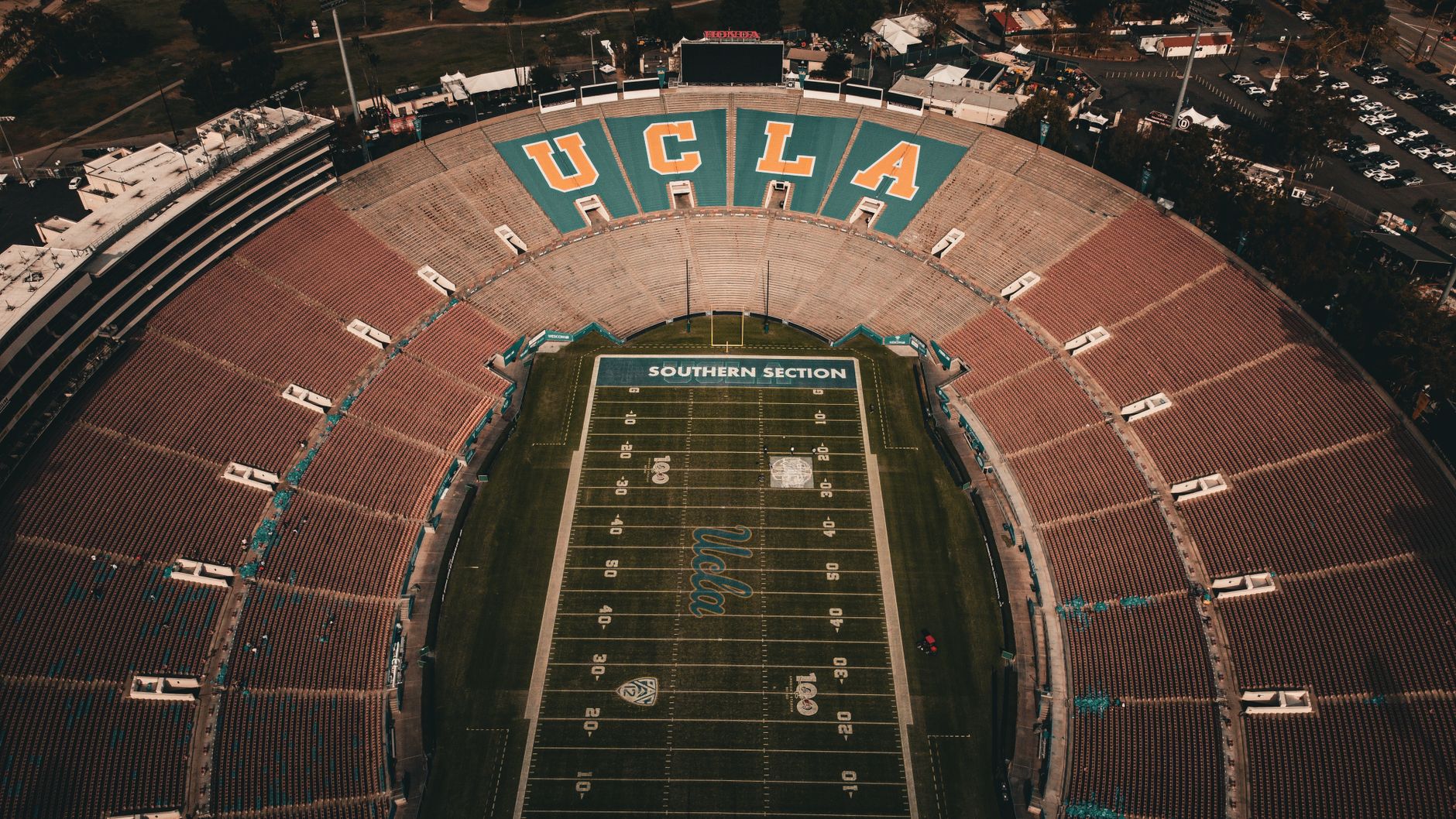
Photo by Caio Cezar on Pexels
A useful but under-discussed insight is that kickoff time translation matters for serious fans. A 12:00 AM Eastern listing for a game in Dublin can confuse casual readers, while a West Coast late-night broadcast on NBC can affect betting volume because East Coast recreational bettors may react early and then disappear before live markets stabilize. Another overlooked detail is ticket pricing as a demand signal. ESPN listings showing “tickets as low as $32” for San José State at USC and “as low as $52” for Jacksonville State at North Dakota State do not predict outcomes, but they do hint at local demand, opponent pull, and market temperature. That kind of context is exactly where Stadium View’s match-preview style can help fans move beyond box-score thinking.
For weekly planning, use this simple process:
- Start with the conference schedule, especially SEC, Big Ten, Big 12, ACC, and FBS Independents.
- Mark neutral-site and international games, including Aviva Stadium in Dublin.
- Compare kickoff time, TV partner, and travel distance.
- Check opening odds, total points, and injury reports before forming an opinion.
- Revisit rankings only after you understand the schedule context.
For more schedule strategy, explore our [Internal Link: weekly college football matchup planner].
See the details before the biggest games start moving markets.
What about FBS rankings, Heisman talk, and the CFP edge case?
FBS rankings, Heisman Trophy chatter, and CFP projections are useful but often noisy before October because early schedules vary wildly. In 2026, Indiana, Miami, Oregon, Notre Dame, Ohio State, and Alabama-related storylines show how quickly postseason narratives can form before complete evidence exists.
This is where I would be candid: early rankings are entertaining, but they are not always responsible decision tools. NCAA.com’s 2026 coverage highlighted Indiana’s title moment, Miami’s championship-game loss, Oregon quarterback Dante Moore, Notre Dame defender Leonard Moore, and Ohio State quarterback Julian Sayin among early storylines. Those names matter because returning production influences public expectation, but the market often overprices last season’s emotional memory. A team that won a Peach Bowl semifinal may be treated as stable even after losing coordinators, while a team with a returning quarterback may still struggle if the offensive line loses three starters. That gap between narrative and roster mechanics is where sharper analysis lives.
The CFP edge case is even more important. The postseason no longer rewards only perfection; it rewards résumé quality, conference strength, timing, and committee interpretation. The College Football Playoff format has made late-season comparisons more complex, especially when a two-loss SEC team is compared with a one-loss ACC team or an undefeated Group of Five contender. Wikipedia’s overview describes college football as the college version of American or Canadian gridiron football, but that definition undersells the modern reality: it is also a selection economy shaped by television, geography, history, and perceived strength of schedule. Check our [Internal Link: College Football Playoff prediction guide] for deeper scenarios.
Watch these ranking traps:
- A high preseason rank can protect a team after a close loss.
- A weak September schedule can hide line-of-scrimmage problems.
- A Heisman candidate can inflate public confidence in an otherwise unbalanced roster.
- A conference championship loss may hurt less than a bad November road defeat.
- A neutral-site win can look stronger than it felt if the opponent later improves.
Where does college football fail?
College football fails when its complexity becomes opacity: rankings can reward brand power, schedules are uneven, injury reporting is inconsistent, and betting markets may overreact to incomplete information. The sport is thrilling, but fans should not mistake tradition, hype, or one viral highlight for reliable evaluation.
The most obvious flaw is schedule imbalance. USC facing San José State is not the same evaluative test as an ACC road game such as NC State at Virginia, and neither tells us the same thing as Jacksonville State visiting North Dakota State at the Fargodome. Yet casual comparison often reduces all wins to the same column. That is lazy analysis. A 42-10 win as a 35.5-point favorite may be less impressive than a 27-24 road escape against a physical conference opponent, especially if the favorite had short fields from turnovers. Stadium View’s review-style approach is useful here because it treats every game as a case study, not a headline.
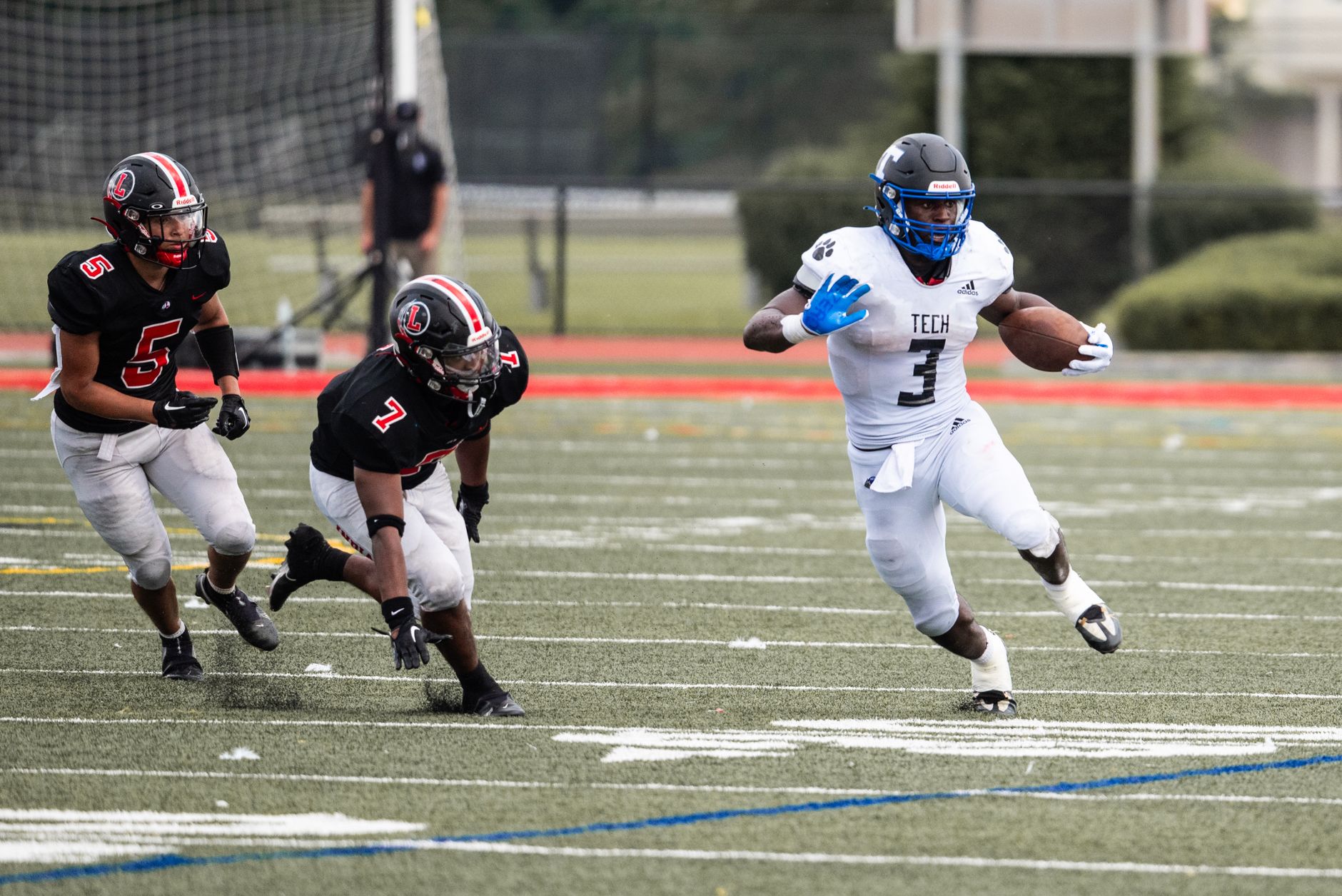
Photo by Hawk i i on Pexels
The second failure is information asymmetry. Unlike the NFL, college injury reports and depth-chart accuracy can be uneven, especially before conference play. A practitioner-level tip: when a favorite’s line moves by 3.5 points or more without public injury confirmation, do not assume “smart money” is always correct; in college football, that move may reflect quarterback practice rumors, weather models, or a syndicate attacking a stale number at one sportsbook. Also, totals above 57.5 in early-season games deserve special caution because coaches may substitute aggressively if the matchup becomes one-sided, reducing fourth-quarter scoring even when the favorite dominates.
Here is my blunt checklist before trusting any college football take:
- Did the analyst mention opponent quality?
- Did they separate returning starters from returning production?
- Did they account for travel, kickoff time, and weather?
- Did they compare the betting line with realistic game script?
- Did they explain what would change their mind?
Get a sharper read before you buy into the next rankings debate.
Should you try following college football today?
Yes, you should follow college football today if you enjoy weekly storylines, tactical variety, player development, and market movement. The best entry point in 2026 is to track one major conference, one underdog program, and one CFP contender from Week 1 through January.
The smartest way to follow the sport is not to watch everything; it is to build a repeatable viewing system. Pick one national contender such as Georgia, Ohio State, Alabama, Oregon, or Notre Dame. Then choose one regional conference race, perhaps the ACC, Big 12, or Mountain West, and one developmental storyline such as a returning quarterback, FCS transfer, or new offensive coordinator. This keeps the season manageable while still exposing you to the full college football ecosystem. Stadium View readers who already follow the 2026 FIFA World Cup will recognize the rhythm: tactics, matchups, venue pressure, and player form matter more than reputation alone.

Photo by Vitaly Gariev on Pexels
If betting is part of your experience, treat college football as higher variance than major professional leagues. The NCAA emphasizes amateur competition and championship pathways, while sportsbooks emphasize prices, volume, and risk. Those two worlds intersect but do not perfectly align. Use responsible staking, avoid chasing late-night games, and never treat a large favorite as automatically safe. A 35.5-point spread at the Los Angeles Memorial Coliseum, a 6.5-point neutral-site line in Dublin, and a 54.5 total in Charlottesville each require a different model of game flow. For responsible play information, consult resources such as the National Council on Problem Gambling, which states, “Problem gambling is a public health issue.”
A practical 2026 starter plan:
- Monday: Review injuries, rankings, and opening lines.
- Wednesday: Compare travel spots, weather, and depth charts.
- Friday: Narrow your watchlist to three games.
- Saturday: Track live game script, not just the score.
- Sunday: Record what your prediction missed.
Frequently Asked Questions
Q: What is college football?
A: College football is American gridiron football played by university and college teams, primarily under NCAA structures in the United States. The highest-profile level is FBS, which includes major programs, bowl games, national rankings, and the College Football Playoff. In 2026, fans will follow games from Week 1 in late August through the CFP National Championship period ending in January 2027.
Q: How do I start following college football in 2026?
A: Start by choosing one major conference, one playoff contender, and one weekly schedule source such as ESPN or NCAA.com. Track kickoff times, TV networks, rankings, and odds every week instead of reacting only to final scores. This gives you context for why a narrow road win can matter more than a blowout against a weak opponent.
Q: What is the difference between FBS and FCS?
A: FBS is the top subdivision of NCAA Division I football, while FCS is the second Division I subdivision with a different postseason structure. FBS teams compete for bowl access and the College Football Playoff, while FCS teams use a playoff bracket. Games like Jacksonville State at North Dakota State can be especially interesting because they test assumptions about subdivision strength.
Q: Is college football betting worth it?
A: College football betting can be worthwhile for disciplined fans, but it carries more volatility than many professional leagues. Roster turnover, uneven injury reporting, travel spots, and emotional rivalry games can make outcomes harder to model. If you bet, use small stakes, compare lines, and avoid relying only on rankings or brand names.
Q: Why do college football rankings change so much?
A: Rankings change quickly because voters and committees react to wins, losses, schedule strength, injuries, and conference perception. A team such as Oregon, Notre Dame, Ohio State, or Alabama can move based on both its own result and how past opponents perform later. That is why early rankings are useful conversation starters but weak proof of true team quality.
Q: How much does it cost to attend a college football game?
A: Ticket prices vary widely by team, opponent, venue, and timing, but early listings can start below $50 for some matchups. ESPN’s 2026 examples included San José State at USC tickets as low as $32 and Jacksonville State at North Dakota State tickets as low as $52. Rivalries, playoff implications, and premium stadiums can push prices much higher.
College football in 2026 rewards fans who think in layers: schedule, roster, venue, ranking incentive, and market price. If you follow those layers instead of chasing hype, the sport becomes clearer, more enjoyable, and far more strategic.
Take the next step with Stadium View’s data-led sports coverage.
Thank you for reading.
Stadium View · Editorial Vault